
 EN
EN
 AR
AR
 BG
BG
 HR
HR
 DA
DA
 NL
NL
 FI
FI
 FR
FR
 DE
DE
 EL
EL
 HI
HI
 IT
IT
 JA
JA
 KO
KO
 NO
NO
 PL
PL
 PT
PT
 RO
RO
 RU
RU
 ES
ES
 SV
SV
 TL
TL
 IW
IW
 ID
ID
 SR
SR
 UK
UK
 VI
VI
 HU
HU
 TH
TH
 TR
TR
 FA
FA
 MS
MS
 GA
GA
 HY
HY
 BN
BN
 LA
LA
 MY
MY
 KK
KK
 UZ
UZ
 KY
KY

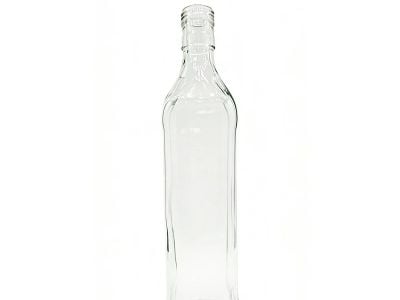
Ensuring sealing performance is critical for manufacturers in various industries, particularly those dealing with food, beverages, wine, and cosmetics. Proper sealing not only prevents contamination but also preserves product integrity and extends shelf life. This article will address how to ensure sealing performance, exploring key specifications, product selection criteria, sourcing high-quality solutions, material advantages, and cost factors to consider. Each section will provide practical insights that assist purchasing managers and product managers in making informed decisions.
Key Specifications for Ensuring Optimal Sealing Performance
When evaluating sealing solutions, several specifications must be considered to ensure optimal performance. Key specifications include:
Material Composition: The choice of material plays a significant role in the effectiveness of the seal. Materials must be compatible with the contents of the bottle or container, particularly in industries like food and cosmetics where chemical interactions can affect quality.
Seal Type: Different products require different sealing methods, such as heat sealing mason jars, snap-on closures, or screw caps. Each type has its advantages depending on the application, filling process, and required shelf life.
Seal Integrity Testing: Regular testing is essential to verify that seals maintain their integrity under various storage and transportation conditions. Manufacturers often conduct burst tests, leak tests, and vacuum tests to assess this.
Dimensional Tolerances: Precise dimensions are vital for ensuring that seals fit correctly. Variations can lead to ineffective sealing, resulting in leaks or contamination. It is advisable to confirm these tolerances before placing orders.
Temperature Resistance: Depending on the application, seals may need to withstand extreme temperatures. This is particularly important for products that require pasteurization or may be stored in varying climate conditions.
By understanding these specifications, buyers can better evaluate sealing products and ensure they meet the required standards for sealing performance.
What to Look for in Sealing Products?
When selecting sealing products, several factors should guide your decision-making process:
Compatibility with Products: Ensure that the sealing solution is compatible with the contents, including any potential chemical reactions or absorption that could compromise the product.
Quality Certifications: Look for manufacturers who possess relevant certifications such as ISO 9001 or FSSC 22000. These certifications indicate adherence to quality management systems and food safety standards, respectively.
Customization Options: Depending on the unique needs of your product, you may require custom sealing solutions. Explore manufacturers that offer customization capabilities to tailor sealing jam jars products to your specifications.
Supplier Reliability: Evaluate the track record of potential suppliers regarding lead times, production capacity, and quality control processes. Reliable suppliers will have the ability to meet demand consistently and maintain high-quality standards.
Sustainability Practices: Given the increasing demand for eco-friendly solutions, consider manufacturers who prioritize sustainable practices in their production processes. This can include using recyclable materials and minimizing waste.
By focusing on these criteria, buyers can identify sealing products that not only meet their functional requirements but also align with their company's values and operational capabilities.
Where to Source High-Quality Sealing Solutions for Bulk Orders?
Sourcing high-quality sealing solutions for bulk orders involves careful consideration of suppliers and manufacturers. Here are some steps to follow:
Industry Research: Conduct thorough research to identify leading manufacturers in the sealing products industry. Look for companies with a strong reputation for quality and reliability, such as Anveena, a professional manufacturer recognized for their advanced production lines and quality certifications.
Request Samples: Before placing a bulk order, request samples of the sealing canning jars products. This allows you to evaluate the seal's performance in real-world conditions and verify that it meets your specifications.
Evaluate Production Capabilities: Assess the manufacturing capabilities of potential suppliers. Confirm their production capacity aligns with your order volume and their ability to handle peak demands without compromising quality.
Check References: Reach out to other businesses that have worked with the supplier to gain insights into their experience with product quality, customer service, and reliability.
Negotiate Terms: After selecting a supplier, negotiate terms including pricing, lead times, and payment options. Ensure that these terms are clearly outlined in a purchase agreement to avoid any misunderstandings.
By following these steps, you can effectively source high-quality sealing solutions that meet your operational needs.
Understanding Material Advantages for Better Sealing
The choice of materials used in sealing products is crucial for achieving optimal performance. Here are some common materials and their advantages:
Plastic: Commonly used for caps and closures, plastic offers flexibility and resistance to moisture and chemicals. It is lightweight and can be easily molded into various shapes, making it suitable for many applications.
Glass: Glass provides an excellent barrier against oxygen and moisture, making it the ideal choice for wine and beverage packaging. Its inert nature ensures that it does not interact with the contents, preserving flavor and freshness.
Metal: Metal seals can offer superior protection against external contaminants and are often used in high-pressure applications. The strength of metal also contributes to the overall durability of the seal.
Composite Materials: These materials combine the benefits of different substances, such as plastics and metals, to enhance sealing performance. They can be engineered to meet specific barrier requirements or conditions.
Eco-Friendly Options: Sustainable materials, such as biodegradable plastics or recycled materials, are gaining popularity. These options not only meet sealing requirements but also align with environmentally conscious practices.
Understanding these material advantages allows buyers to make informed decisions that enhance sealing performance while meeting product requirements.
Cost Factors to Consider When Selecting Sealing Options
When selecting sealing options, several cost factors must be considered to ensure a cost-effective choice:
Material Costs: The type of material selected will significantly influence the overall cost of the sealing solution. While some materials may have a higher upfront cost, their performance advantages and potential to reduce waste can justify the investment.
Production Costs: Evaluate the manufacturing processes involved in producing the seals. Automated processes may reduce labor costs and improve consistency, contributing to overall savings.
Packaging and Shipping: Consider the costs associated with packaging and shipping the sealing products. Lightweight materials can reduce shipping costs, while bulk orders may offer additional savings.
Quality Assurance: Investing in quality control measures can prevent costly issues down the line, such as product recalls or spoilage due to ineffective sealing. Factor in these costs when evaluating suppliers.
Long-Term Value: Assess the long-term value of the sealing solution. Cheaper options may not provide the necessary performance, leading to increased costs over time due to product loss or damage.
By considering these cost factors, buyers can make informed decisions that balance quality and budget constraints, ultimately leading to a more successful procurement process.