
 EN
EN
 AR
AR
 BG
BG
 HR
HR
 DA
DA
 NL
NL
 FI
FI
 FR
FR
 DE
DE
 EL
EL
 HI
HI
 IT
IT
 JA
JA
 KO
KO
 NO
NO
 PL
PL
 PT
PT
 RO
RO
 RU
RU
 ES
ES
 SV
SV
 TL
TL
 IW
IW
 ID
ID
 SR
SR
 UK
UK
 VI
VI
 HU
HU
 TH
TH
 TR
TR
 FA
FA
 MS
MS
 GA
GA
 HY
HY
 BN
BN
 LA
LA
 MY
MY
 KK
KK
 UZ
UZ
 KY
KY

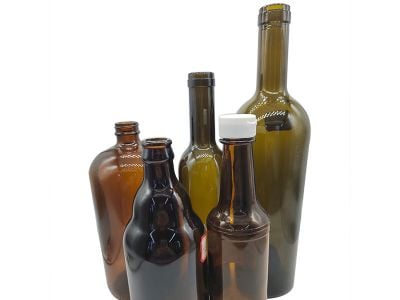
Choosing the right wine bottle is essential for boutique wineries looking to effectively convey their brand story. This article delves into what boutique wineries should consider when sourcing wine bottles, focusing on the specific factors that influence their purchasing decisions. Understanding these elements can help winery owners, purchasing managers, and product managers navigate the complexities of sourcing wine bottles that not only meet their aesthetic requirements but also align with their branding and environmental goals
How to Choose the Right Wine Bottle Supplier for Your Brand
When selecting a wine bottle supplier, boutique wineries should prioritize several key factors. First, assess the supplier's manufacturing capabilities and experience in producing bottles tailored to the wine industry. A supplier like Anveena, with advanced European production lines and automated inspection processes, can ensure high-quality and consistent products
Next, consider the supplier's customization options. Many wineries want bottles that reflect their unique brand identity, which may include specific shapes, sizes, and colors. Ensure that the supplier can accommodate these requirements while adhering to industry standards
Quality assurance is another critical aspect. Look for suppliers with recognized certifications, such as ISO9001 and FSSC22000, which demonstrate a commitment to quality and safety in manufacturing. This can significantly reduce the risk of defects and ensure that the bottles meet all necessary regulations
Finally, evaluate the supplier's communication and support. A responsive supplier who can provide timely updates and address concerns during the production process can make a significant difference in your sourcing experience
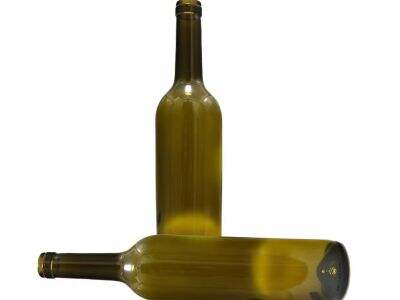
Where to Find Reliable Suppliers for Custom Wine Bottles
Finding reliable suppliers for custom wine bottles involves leveraging various resources. Start by exploring industry trade shows and exhibitions, where you can meet manufacturers and suppliers face-to-face, view their products, and discuss your specific needs. Networking with other wineries can also provide valuable referrals and insights into their experiences with different suppliers
Online supplier directories and platforms specializing in B2B manufacturing can be excellent resources. Websites like ThomasNet and Alibaba allow you to search for suppliers based on specific criteria, including product type, materials, and geographic location. Always vet suppliers by checking reviews, asking for references, and requesting samples of their products before making a commitment
Trade associations and industry groups focused on the beverage and wine sectors can also be helpful in identifying reputable suppliers. These organizations often have member directories and resources that can guide you to trusted manufacturers
Common Problems When Sourcing Wine Bottles and Their Solutions
Sourcing wine bottles can come with several challenges. One common issue is ensuring that the bottles are suitable for the specific wine being bottled. For instance, the thickness and type of glass used can affect the wine's exposure to light and oxygen, impacting its quality and shelf life. To mitigate this risk, buyers should consult with their suppliers to understand the material properties and performance characteristics of the bottles
Another challenge is the potential for delays in production and delivery. Factors such as seasonal demand spikes or supply chain disruptions can lead to longer lead times. To address this, it's advisable for wineries to plan their orders well in advance and maintain open communication with suppliers regarding production schedules
Quality control is also a critical concern. Defects in glass bottles, such as bubbles or uneven surfaces, can compromise the product's integrity. Implementing a thorough inspection process, including reviewing samples before mass production, can help catch any issues early and ensure that the final product meets quality standards
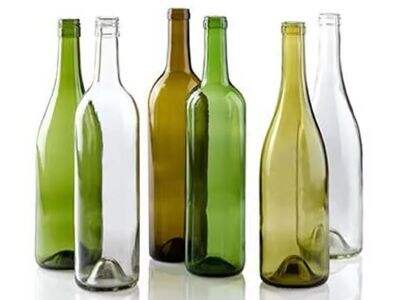
Evaluating Material Advantages for Eco-Friendly Wine Bottles
As sustainability becomes increasingly important in the wine industry, boutique wineries should evaluate the materials used in their bottles. Glass is a popular choice due to its Recyclability and inert properties, which do not alter the taste or quality of the wine. When sourcing eco-friendly bottles, consider options made from lightweight glass, which reduces energy consumption during production and transportation
Additionally, some suppliers offer bottles made from post-consumer recycled glass. These options not only minimize environmental impact but can also appeal to consumers who prioritize sustainability in their purchasing decisions. It's essential to discuss with suppliers the environmental certifications of their materials, ensuring they adhere to eco-friendly practices throughout the manufacturing process
Wineries should also consider the overall lifecycle of the product, including packaging and shipping methods. Working with suppliers who prioritize sustainable packaging solutions can further enhance your brand’s commitment to environmental responsibility
Installation Guidance for Efficient Wine Bottle Packaging Solutions
Once the wine bottles are sourced, efficient packaging is crucial for maintaining product integrity during transportation and storage. Proper handling and installation of wine bottles can prevent breakage and ensure safety throughout the supply chain
Wineries should work closely with their suppliers to understand the best practices for packing and shipping their bottles. This includes selecting appropriate packaging materials, such as protective inserts or custom cartons, designed to cushion the bottles and minimize movement during transit
Additionally, training staff on proper handling techniques is vital. Employees should be aware of the fragility of glass bottles and follow standardized procedures for packing and unpacking to avoid accidents. Regular communication with suppliers about any issues encountered during shipping can help refine packaging strategies and improve future orders
By addressing these considerations, boutique wineries can enhance their sourcing process and ensure that the wine bottles they choose effectively tell their brand story while meeting quality and sustainability standards
Table of Contents
- How to Choose the Right Wine Bottle Supplier for Your Brand
- Where to Find Reliable Suppliers for Custom Wine Bottles
- Common Problems When Sourcing Wine Bottles and Their Solutions
- Evaluating Material Advantages for Eco-Friendly Wine Bottles
- Installation Guidance for Efficient Wine Bottle Packaging Solutions