
 EN
EN
 AR
AR
 BG
BG
 HR
HR
 DA
DA
 NL
NL
 FI
FI
 FR
FR
 DE
DE
 EL
EL
 HI
HI
 IT
IT
 JA
JA
 KO
KO
 NO
NO
 PL
PL
 PT
PT
 RO
RO
 RU
RU
 ES
ES
 SV
SV
 TL
TL
 IW
IW
 ID
ID
 SR
SR
 UK
UK
 VI
VI
 HU
HU
 TH
TH
 TR
TR
 FA
FA
 MS
MS
 GA
GA
 HY
HY
 BN
BN
 LA
LA
 MY
MY
 KK
KK
 UZ
UZ
 KY
KY
Կարո՞ղ է քաշի նվազեցումը օգնել նվազեցնել ածխածնի արտանետումները
1. Սահմանումը և հասկացությունը
Քաշի նվազեցումը և ածխածնի արտանետումների իջեցումը վերաբերում է ապրանքի քաշը նվազեցնելու գործընթացին՝ օպտիմալացնելով ապրանքի դիզայնը, նյութերի ընտրությունը կամ արտադրական գործընթացները, ինչի շնորհիվ նվազում է էներգասպառումը և ջերմոցային գազերի արտանետումները ամբողջ կյանքի ցիկլի ընթացքում (ներառյալ сыրեղեն նյութերի ձեռքբերումը, արտադրությունը, տրանսպորտավորումը, օգտագործումը և վերամշակումը): Ապակե տարաների ոլորտում «թեթևացումը» այս հասկացության տիպիկ դրսևորումն է, որը նշանակում է տեխնոլոգիաների բարելավում՝ ապակե տարաների քաշը նվազեցնելու համար՝ միաժամանակ ապահովելով դրանց աշխատանքային ցուցանիշների ստանդարտներին համապատասխանությունը:
2. Հիմնարար սկզբունքները/Նախապատմությունը
Ածխածնի միացությունների արտանետումը սերտորեն կապված է էներգիայի սպառման հետ, իսկ արտադրանքի զանգվածը սպառման վրա ազդող հիմնական գործոններից մեկն է: Արտադրության փուլում ավելի ծանր արտադրանքները հաճախ պահանջում են ավելի շատ հումք (օրինակ՝ ապակու արտադրության մեջ՝ քվարցային ավազ, սոդային ապակի և այլն), իսկ հումքի արդյունահանումը, տրանսպորտավորումը և մշակումը սպառում են ավելի շատ էներգիա: Տրանսպորտավորման փուլում՝ նույն քանակության դեպքում թեթև արտադրանքները կարող են նվազեցնել տրանսպորտային միջոցների բեռնվածությունը, ինչը նվազեցնում է վառելիքի կամ էլեկտրաէներգիայի սպառումը և, հետևաբար, նվազեցնում է ածխածնի միացությունների արտանետումը: Ռեցիկլավորման փուլում թեթև արտադրանքների մշակումը նույնպես կարող է նվազեցնել էներգիայի սպառումը:
Քանի որ աշխարհում «ածխածնի չեզոքության» նպատակի իրականացումը առաջընթացի է ապրում, արդյունաբերությունները ավելի շատ են պահանջում ածխածնի ցածր արտանետումներով զարգացման ճանապարհ: Ապակե տարաները, որպես լայնորեն օգտագործվող տարաների տեսակ, դարձել են ածխածնի արտանետումները նվազեցնելու կարևոր միջոց:

3. Պատճառների վերլուծություն/Կարևորություն
- Արտադրության վերջնական փուլում վառելիքի արտանետումների նվազեցում. Ապակե տարաների քաշի նվազեցումը նշանակում է, որ մեկ միավոր արտադրանք արտադրելու համար անհրաժեշտ ապակու հումքի քանակը նվազում է, իսկ վառելավառույցի մեջ հումքը հալեցնելու համար անհրաժեշտ էներգիայի ծախսը նույնպես նվազում է, ինչը ուղղակիորեն նվազեցնում է արտադրության ընթացքում վառելիքի այրման պատճառով առաջացած ածխածնի երկօքսիդի արտանետումները։
- Տրանսպորտային տարածքում վառելիքի արտանետումների նվազեցում. թեթև ապակե տարաները պահելու և տեղափոխելու ժամանակ ունեն ավելի ցածր ընդհանուր քաշ, ինչը կարող է բարելավել տրանսպորտային արդյունավետությունը (օրինակ՝ մեկ ուղևորության ընթացքում ավելի շատ արտադրանք տեղափոխել) կամ նվազեցնել տրանսպորտային միջոցների էներգիայի սպառումը, ինչի շնորհիվ
նվազում են տրանսպորտային գործընթացում առաջացած ածխածնի արտանետումները։
- Կայուն զարգացման կարևորությունը. Ածխածնի արտանետումների նվազեցումը կլիմայական փոփոխությունների դեմ պայքարի և կանաչ զարգացման հասնելու հիմնարար միջոցառում է: Ձեռնարկությունների համար թեթևացման միջոցով ածխածնի արտանետումների նվազեցումը ոչ միայն համապատասխանում է շրջակա միջավայրի պաշտպանության քաղաքականությանը, այլև նվազեցնում է сыրեւատների և տրանսպորտային ծախսերը, բարձրացնելով բրենդի կայուն մրցունակությունը:
4. Կիրառման օրինակներ (Ջյանսու Անվինա Փաթեթավորման ՍՊԸ-ի հետ համատեղ)
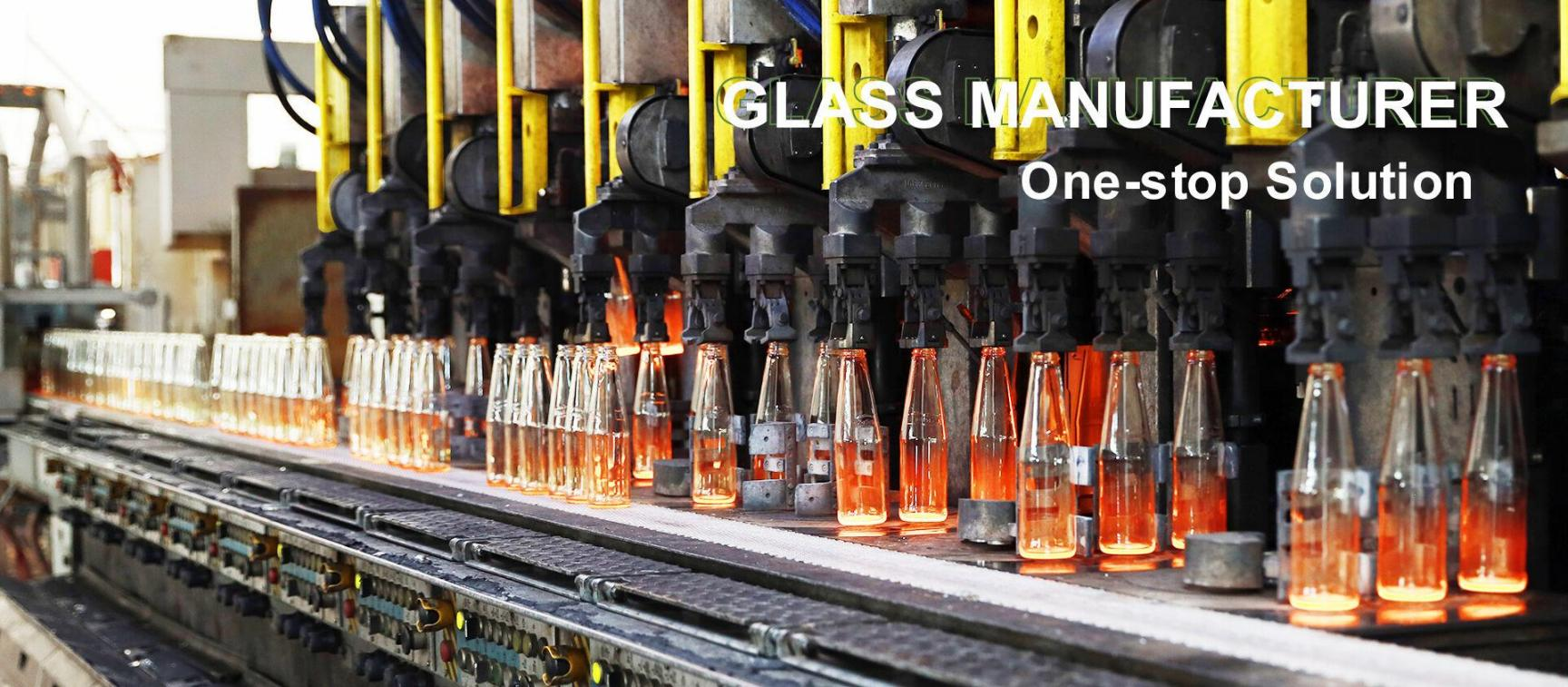
Ցզյանսու Անվինա Փաթեթավորման ՍՊԸ-ն, որպես բարձրորակ ապակե տարաների մասնագիտացված արտադրող, իր արտադրական պրակտիկայի մեջ ներդրել է թեթևացման տեխնոլոգիան՝ արդյունավետորեն նվազեցնելով ածխածնի արտանետումները: Կազմակերպությունը ներմուծել է առաջատար եվրոպական ապակե շշերի արտադրական գիծ և այն ապահովել է էներգախնայող ու շրջակա միջավայրի համար անվտանգ ինտելեկտուալ վառարաններով: Օպտիմալացնելով ապակու բաղադրությունը և ձուլման գործընթացը՝ ապահովելով ապակե տարաների (օրինակ՝ ըմպելիքների շշեր, սննդի շշեր, գինու շշեր և այլն) հիմնարար աշխատանքային ցուցանիշները, հասել է արտադրանքի թեթևացման և արդյունավետ արտադրության:
Օրինակ՝ դրա թեթևացված ըմպելիքի շշերը ունեն մոտավորապես 15 % քաշի նվազեցում համեմատած ավանդական արտադրանքների հետ։ Արտադրության գործընթացում նվազեցվում է հումքի օգտագործումը և վառարանների էներգիայի սպառումը, իսկ յուրաքանչյուր տոննա արտադրանքի համար ածխածնի արտանետումները նվազում են մոտավորապես 12 %-ով. տրանսպորտավարման գործընթացում՝ նույն բեռնատարի բեռնավարման հզորության դեպքում կարող է տեղափոխվել մոտավորապես 18 %-ով ավելի շատ արտադրանք, ինչը նշանակալիորեն բարելավում է տրանսպորտային տրամագործության արդյունավետությունը և անուղղակիորեն նվազեցնում տրանսպորտային ածխածնի արտանետումները։ Այս մոտեցումը ոչ միայն բավարարում է սպառողների պահանջները կանաչ փաթեթավորման նկատմամբ, այլև ցույց է տալիս ընկերության արդյունաբերության մեջ ցածր ածխածնի զարգացման ուղղությամբ իր պատասխանատվությունը։