
 EN
EN
 AR
AR
 BG
BG
 HR
HR
 DA
DA
 NL
NL
 FI
FI
 FR
FR
 DE
DE
 EL
EL
 HI
HI
 IT
IT
 JA
JA
 KO
KO
 NO
NO
 PL
PL
 PT
PT
 RO
RO
 RU
RU
 ES
ES
 SV
SV
 TL
TL
 IW
IW
 ID
ID
 SR
SR
 UK
UK
 VI
VI
 HU
HU
 TH
TH
 TR
TR
 FA
FA
 MS
MS
 GA
GA
 HY
HY
 BN
BN
 LA
LA
 MY
MY
 KK
KK
 UZ
UZ
 KY
KY
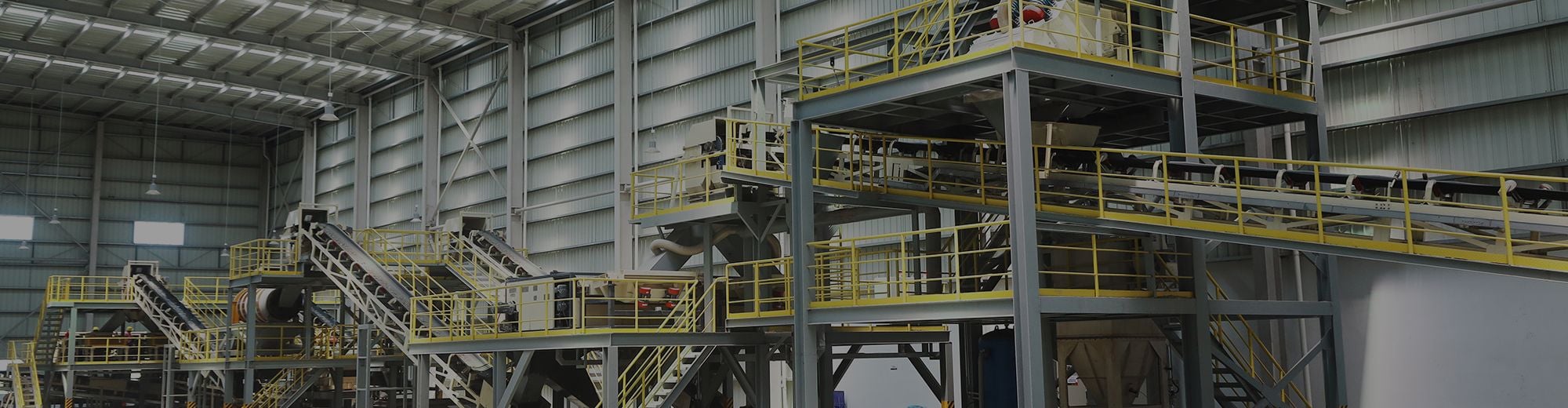
How to Choose a Reliable Glass Bottle Manufacturer in China
Why Choosing the Right Glass Bottle Manufacturer Matters
China is one of the world’s major production bases for glass packaging, supplying glass bottles, glass jars, and customized glass containers for beverages, wine, spirits, food, cosmetics, and pharmaceutical applications.
For international buyers, the key challenge is not simply finding a supplier. The real question is: how can buyers identify a glass bottle manufacturer that can deliver stable quality and consistent long-term supply?
Some suppliers may offer low prices and attractive product photos, but this does not always reflect their real manufacturing capability. If buyers make decisions based only on price, they may later face problems such as inconsistent dimensions, inaccurate neck finishes, surface defects, shipping breakage, delayed delivery, or differences between approved samples and mass production.
That is why choosing a reliable glass bottle manufacturer requires evaluating the full manufacturing system, not just the product catalog or quotation.
Start with Manufacturing Capability, Not Just Product Photos
Many glass bottles may look similar from the outside, but the real difference lies in how they are produced and controlled.
When evaluating a glass bottle manufacturer, buyers should pay attention to:
- Quality management systems
- Raw material control
- Mold development capability
- Production line stability
- In-process inspection procedures
- Final product testing standards
- Export packaging solutions
- Technical communication efficiency
- Long-term delivery capability
Certifications Are Important, but They Are Not Enough
Quality management certifications such as ISO 9001 can indicate that a manufacturer has standardized management procedures. For customers in food, beverage, and alcohol packaging, food safety-related management systems may also be important.
However, buyers should not rely only on certificates. It is equally important to understand how the supplier implements quality control during actual production.
Buyers may review or ask about:
- Quality inspection procedures
- Production process records
- Sample approval processes
- Product testing reports
- Non-conforming product handling
- Packaging specifications
- Pre-shipment inspection standards
Quality Control Should Cover the Entire Production Process
Reliable glass bottle manufacturers do not wait until production is finished to check quality. Instead, quality control should be built into every major production stage.
Raw Material Inspection
High-quality glass packaging begins with stable raw materials. Suppliers should establish inspection standards for silica sand, soda ash, limestone, recycled glass, and other production materials.
Mold Verification
Mold precision directly affects bottle capacity, dimensions, neck finish, and appearance consistency. For custom glass bottle projects, mold development and verification are especially important.
Production Monitoring
Modern glass bottle production usually combines automated equipment with manual monitoring to identify dimensional variation, bubbles, cracks, deformation, surface defects, and other potential issues during manufacturing.
Final Product Inspection
Final inspection may include:
- Bottle dimensions
- Neck finish accuracy
- Weight consistency
- Appearance quality
- Annealing quality
- Stress testing
- Pressure resistance
- Sealing compatibility
- Thermal shock resistance
- Packaging integrity
When selecting a supplier, buyers should not only ask whether inspection is performed. They should also understand how inspection is conducted, what standards are used, and how quality issues are handled.
Custom Glass Bottles Require Engineering Support
Custom glass packaging is not simply about creating an attractive bottle shape.
A successful custom glass bottle project usually requires early confirmation of:
- Bottle capacity
- Neck finish
- Closure compatibility
- Bottle structure
- Decoration requirements
- Filling equipment compatibility
- Packaging method
- Target market regulations
If a supplier can provide mold development, engineering review, and sample validation support, buyers can reduce design revisions and improve the transition from sample approval to mass production.
This is especially important for brand owners, wine and spirits companies, food manufacturers, and cosmetics packaging buyers.
Production Stability Is More Important Than Maximum Capacity
Production capacity matters, but for long-term procurement, production stability is often more valuable than peak output.
Before choosing a supplier, buyers may want to understand:
- How many production lines the manufacturer operates
- Typical lead times
- Production scheduling process
- Whether mass production can match approved samples
- Batch-to-batch consistency
- Ability to support repeat orders
A reliable manufacturer usually has standardized production procedures to ensure that approved samples can be reproduced consistently in future bulk orders.
Export Packaging Experience Directly Affects Delivery Quality
Glass bottles are fragile products. Even when the bottles meet quality standards, poor export packaging may still lead to breakage during international transportation.
Before placing an order, buyers should confirm:
- Carton specifications
- Pallet configuration
- Divider protection
- Container loading method
- Shock protection solution
- Pre-shipment inspection
- Breakage control measures
A glass packaging manufacturer with export experience understands the risks of international shipping, container loading, and overseas warehousing. This can help buyers reduce breakage rates and after-sales costs.
Jiangsu Anveena Packaging Co.,Ltd. was established in 2022 and focuses on glass packaging manufacturing and customization services in China.
The company serves a wide range of applications, including beverages, wine, spirits, food, cosmetics, and pharmaceutical packaging. It provides both standard glass packaging and customized glass container solutions for international customers.
Anveena Packaging operates under ISO 9001 and FSSC-certified management systems. With automated inspection equipment, standardized production processes, and European-standard production lines, the company supports stable production for glass packaging projects.
According to the company’s internal quality management data, its product qualification rate reaches approximately 99.9%, while its shipping breakage performance remains below the industry average. The company also reports that around 80% of its customers are long-term clients, with verified repeat purchase rates exceeding 85%.
For international buyers, these factors can be used as useful references during supplier evaluation. Before formal cooperation, buyers may further discuss quality documentation, inspection records, sample approval procedures, and export packaging solutions.
Long-Term Cooperation Depends on Transparency and Execution
A reliable glass bottle supplier should provide more than products. It should also help buyers reduce sourcing risks.
Reliable suppliers are usually willing to explain:
- Production procedures
- Quality standards
- Inspection methods
- Sample approval process
- Delivery planning
- Packaging solutions
- After-sales handling
- Continuous improvement measures
The more transparent a supplier is, the easier it becomes for buyers to evaluate whether the supplier is suitable for long-term cooperation.
Conclusion
Choosing a reliable glass bottle manufacturer in China requires evaluating the supplier’s full manufacturing capability instead of only comparing prices.
Buyers should focus on:
- Standardized quality management systems
- Clear inspection procedures
- Stable production capability
- Custom mold development support
- Export packaging experience
- Transparent and timely communication
- Long-term production consistency
For international buyers who need stable glass packaging supply, working with a manufacturer that has strong production systems, quality control capability, and export experience can help reduce sourcing risks and improve long-term project efficiency.
Buyer Checklist Before Placing an Order
Does the supplier have recognized quality management certifications?
Can the supplier clearly explain its production and inspection process?
Are product dimensions, tolerances, and neck finish specifications documented?
Is sample approval connected to mass production standards?
Can the supplier support custom mold development and sample validation?
Does the manufacturer use automated or standardized inspection procedures?
Is the export packaging suitable for international transportation?
Can inspection records or quality documents be provided if needed?
Does the supplier have experience serving your industry?
Is there a clear process for handling quality issues?
FAQ
1. How can I tell whether a glass bottle manufacturer is reliable?
Buyers should evaluate quality certifications, production capability, inspection procedures, export experience, customization support, and long-term customer stability instead of relying only on price.
2. Are ISO certifications enough to prove that a supplier is reliable?
No. ISO certifications show that a management system exists, but buyers should also review actual inspection procedures, production records, sample approval processes, and quality control documentation.
3. What should buyers confirm before ordering custom glass bottles?
Buyers should confirm bottle drawings, capacity, neck finish, closure compatibility, mold development process, decoration requirements, tolerance standards, and sample approval procedures.
4. How do glass bottle manufacturers control quality?
Quality control may include raw material inspection, mold verification, production monitoring, dimensional checks, appearance inspection, stress testing, sealing verification, and final packaging inspection.
5. Can one manufacturer supply different types of glass packaging?
Yes. A manufacturer with mature production systems can usually serve wine, spirits, beverages, food, cosmetics, and pharmaceutical packaging applications.
6. Why is export packaging important for glass bottles?
Glass bottles are fragile during international transportation. Proper export packaging helps reduce breakage during container loading, sea freight, warehousing, and handling.
7. Should buyers arrange a factory audit?
For long-term cooperation or large-volume orders, a factory audit or third-party inspection can help verify the supplier’s production capability and quality management system.
Call to Action
If you are looking for glass bottles, glass jars, or custom glass packaging, you can share your capacity requirements, bottle drawings, reference samples, or application details with Anveena Packaging. Our team can help evaluate suitable glass packaging solutions based on your project requirements.
Whether you need standard glass packaging or custom-designed glass containers, we can discuss production processes, quality inspection, mold development, and export packaging solutions to help reduce sourcing risks and support stable project execution.