
 EN
EN
 AR
AR
 BG
BG
 HR
HR
 DA
DA
 NL
NL
 FI
FI
 FR
FR
 DE
DE
 EL
EL
 HI
HI
 IT
IT
 JA
JA
 KO
KO
 NO
NO
 PL
PL
 PT
PT
 RO
RO
 RU
RU
 ES
ES
 SV
SV
 TL
TL
 IW
IW
 ID
ID
 SR
SR
 UK
UK
 VI
VI
 HU
HU
 TH
TH
 TR
TR
 FA
FA
 MS
MS
 GA
GA
 HY
HY
 BN
BN
 LA
LA
 MY
MY
 KK
KK
 UZ
UZ
 KY
KY

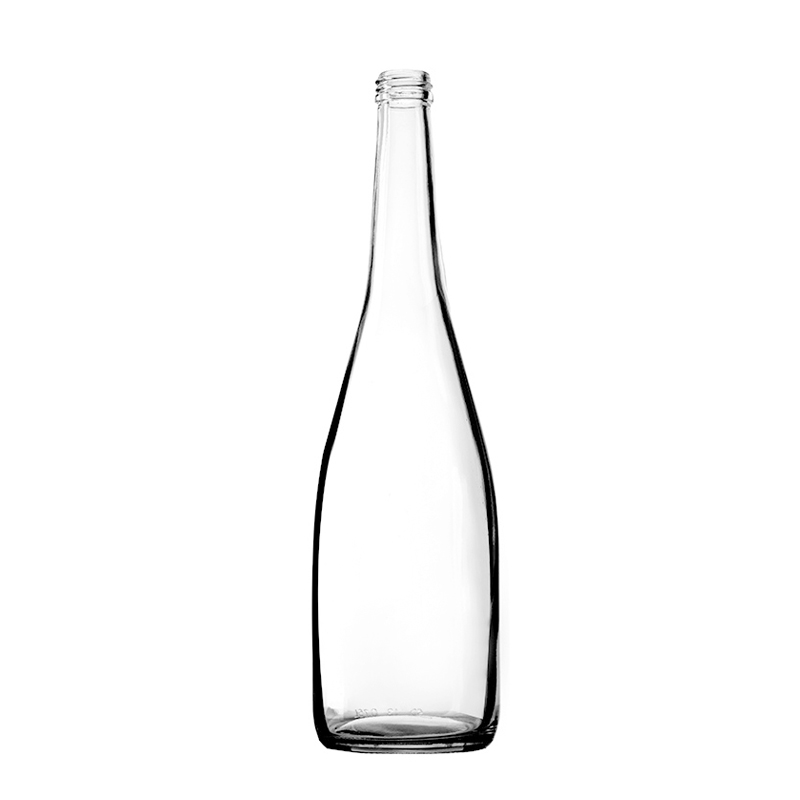
Champagne is a special drink that many people enjoy during celebrations. But did you know that making sure champagne bottles are safe during shipping is very important? Companies like Anveena work hard to ensure that these bottles can handle the pressure inside them. When champagne is made, it is put into bottles that are filled with carbon dioxide. This gas creates bubbles, which make the drink fun to enjoy. However, if these bottles are not made or handled properly, they can explode. This is why safety is a big deal for champagne makers who want to sell their drinks in Western markets.
Ensuring High-Pressure Safety in Champagne Bottles for Wholesale Buyers
For companies that buy champagne in large amounts, understanding the safety of custom champagne bottle is key. Wholesale buyers need to know how the bottles are made and what they are made of. At Anveena, we focus on using strong materials that can hold the pressure of carbon dioxide. These materials help keep the champagne safe until it reaches the customer. Before shipping, our bottles are tested. They go through special checks to make sure they can handle the pressure. Imagine a bottle that can hold a lot of fizz without breaking! This testing is super important because it keeps everyone safe. If a bottle breaks during transport, it can make a big mess and waste money. Wholesale buyers also have to think about how they will store and transport the bottles. They need to make sure that the bottles are packed well and that they are not stacked too high, which could cause damage. Sometimes, bottles can move during shipping and bump into each other, which can lead to accidents. That's why Anveena provides guidance on how to handle and store the bottles correctly. We want to help our customers avoid problems and make sure they get their champagne in perfect condition.
What Are the Key Safety Standards for Champagne Bottles Exported to Western Markets?
When exporting champagne to Western markets, there are important safety standards that must be followed. These standards ensure that the bottles are safe for consumers. Anveena follows strict rules that help us make our bottles strong and reliable. One key standard is that bottles must be made from high-quality glass. This glass needs to be thick enough to withstand the pressure inside. If the glass is too thin, there is a chance it could break. Another standard is that the bottles must be tested for leaks. If a bottle leaks, the champagne could escape, and that would be a waste! There are also rules about labeling. Labels must be clear so that people understand what they are drinking. These labels should include important information, like the alcohol content and the origin of the champagne. In addition, there are guidelines for packaging. The packaging must protect the champagne bottle from breaking during shipping and handling. At Anveena, we pay close attention to these safety standards. We want our champagne to be enjoyed safely by everyone. Following these standards helps build trust with our customers and keeps the champagne experience enjoyable. After all, when people celebrate with champagne, they should feel confident that their drink is safe and delicious.
Safety Issues When Importing Champagne Bottles
When buyers think about importing champagne bottles, there are some important safety issues they should know. First, champagne is a bubbly drink that has a lot of pressure inside the bottle. This pressure comes from the bubbles, which are created during the fermentation process. If the bottle is not made well, it can break or explode, which can be very dangerous. Buyers should check if the bottles are made from high-quality glass. Thin or weak glass can easily break under pressure, so it is important to choose bottles that are strong and thick. Another common safety issue is the cork. The cork holds in the pressure and keeps the champagne fresh. If the cork is not secured properly, it can pop out when you open the bottle. This can be a mess and can hurt someone if the cork flies out too fast. Buyers should look for bottles that have secure corks and strong seals. It’s also important to consider how the bottles are stored during shipping. If they are stacked too high or not secured well, they can fall and break. Buyers should make sure that the bottles are packaged safely with padding to protect them during transport. Anveena works hard to ensure that all our champagne bottles are safe for export. We check each bottle for quality and safety before they leave our facility. By paying attention to these safety issues, buyers can make sure that they are importing champagne bottles that are both safe and high-quality.
New Technologies for Safer Champagne Bottles
To improve safety, there are many new technologies that help make champagne bottles safer under high pressure. One such technology is the use of stronger glass materials. Modern glass can be made to be thicker and tougher, which helps it to withstand the pressure inside the bottle. This means fewer bottles will break or explode during shipping or when they are opened. Another innovative technology is the design of the bottle itself. Some bottles are now made with special shapes that can handle pressure better than traditional round bottles. This new design helps to distribute the pressure evenly, making it less likely for the bottle to fail. Anveena uses these advanced technologies to ensure that our champagne bottles are safe for consumers. Additionally, there are special corks available that are designed to hold in more pressure. These corks are made with materials that do not break down easily, which means they can hold the pressure for a longer time without popping out unexpectedly. Using these corks can make opening a bottle of champagne safer and more enjoyable. Another exciting development is the use of smart technology. Some companies are starting to add sensors to bottles that can warn if the pressure inside gets too high. This technology can help prevent accidents by alerting people before something goes wrong. By using these innovative technologies, Anveena is committed to ensuring that our champagne wine bottle are safe and enjoyable for everyone.
How to Source Quality Champagne Bottles for Western Markets
Finding the best quality champagne bottles for export to western markets is very important for buyers. There are a few ways to ensure that you are sourcing high-quality bottles. First, it is crucial to look for suppliers who have a good reputation. A reliable supplier will have experience and will understand the safety standards required for exporting champagne bottles. They should provide information about how their bottles are made and any safety tests they perform. Anveena is proud to be a trusted supplier that focuses on quality and safety. We provide buyers with detailed information about our products and how we ensure their safety. Another way to find high-quality bottles is to visit trade shows or industry events. These events allow buyers to meet suppliers in person and see the products firsthand. It’s a great opportunity to ask questions and learn more about the manufacturing process. Buyers can also look for online reviews and testimonials from other customers. This feedback can help them decide if a supplier is trustworthy. Lastly, buyers should also consider the materials used in the bottles. High-quality glass will be clear and free from bubbles or defects. It is also important to check the seals and corks to ensure they are strong. By following these tips, buyers can find the best champagne bottles for export, ensuring that they meet the safety standards needed for western markets. Anveena is here to help buyers find the perfect champagne bottles that are safe and of the highest quality.
Table of Contents
- Ensuring High-Pressure Safety in Champagne Bottles for Wholesale Buyers
- What Are the Key Safety Standards for Champagne Bottles Exported to Western Markets?
- Safety Issues When Importing Champagne Bottles
- New Technologies for Safer Champagne Bottles
- How to Source Quality Champagne Bottles for Western Markets